Politico Pro: POLITICO Pro | Article | POLITICO Pro Q&A: California GOP Rep. Young Kim
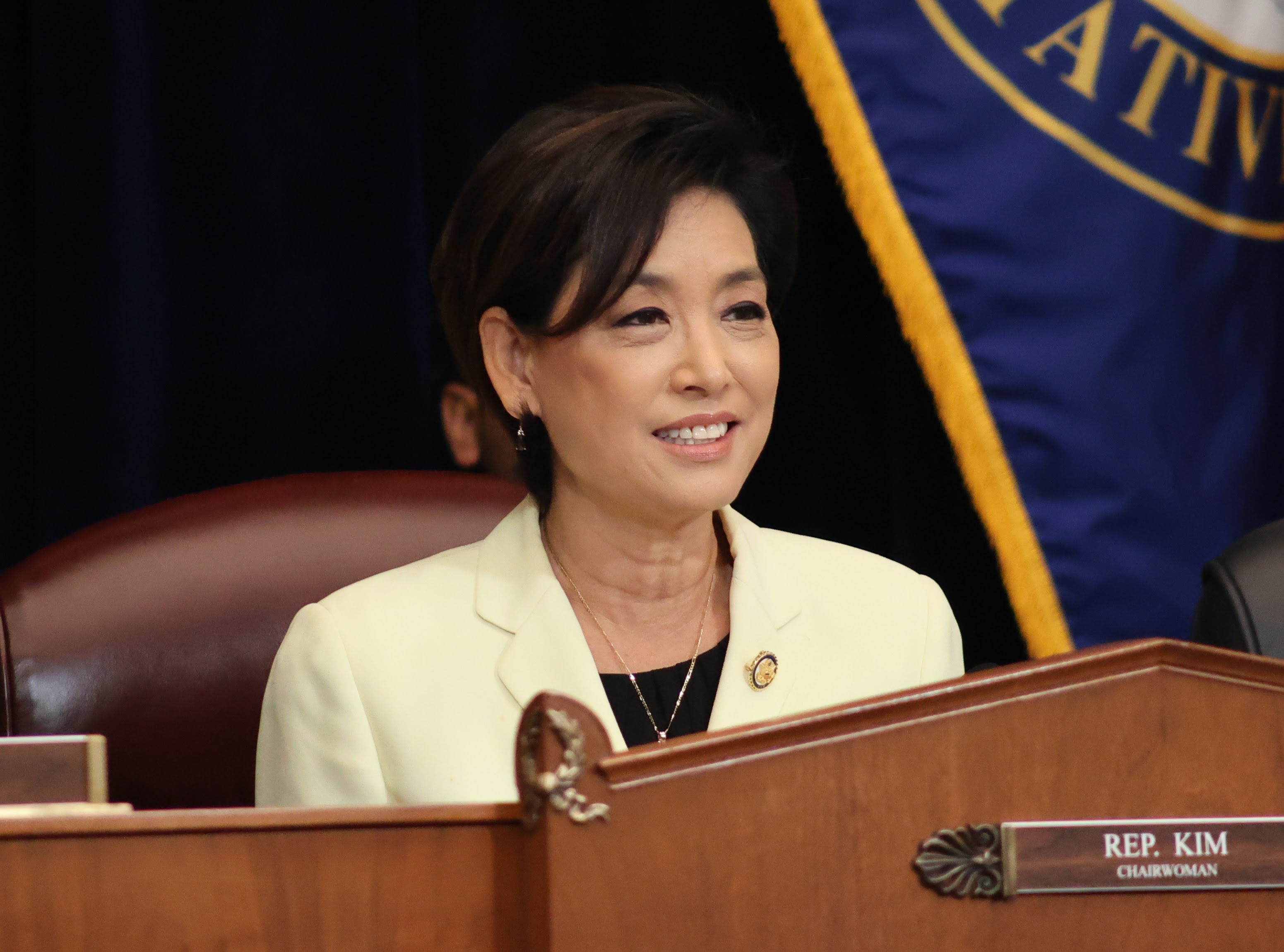
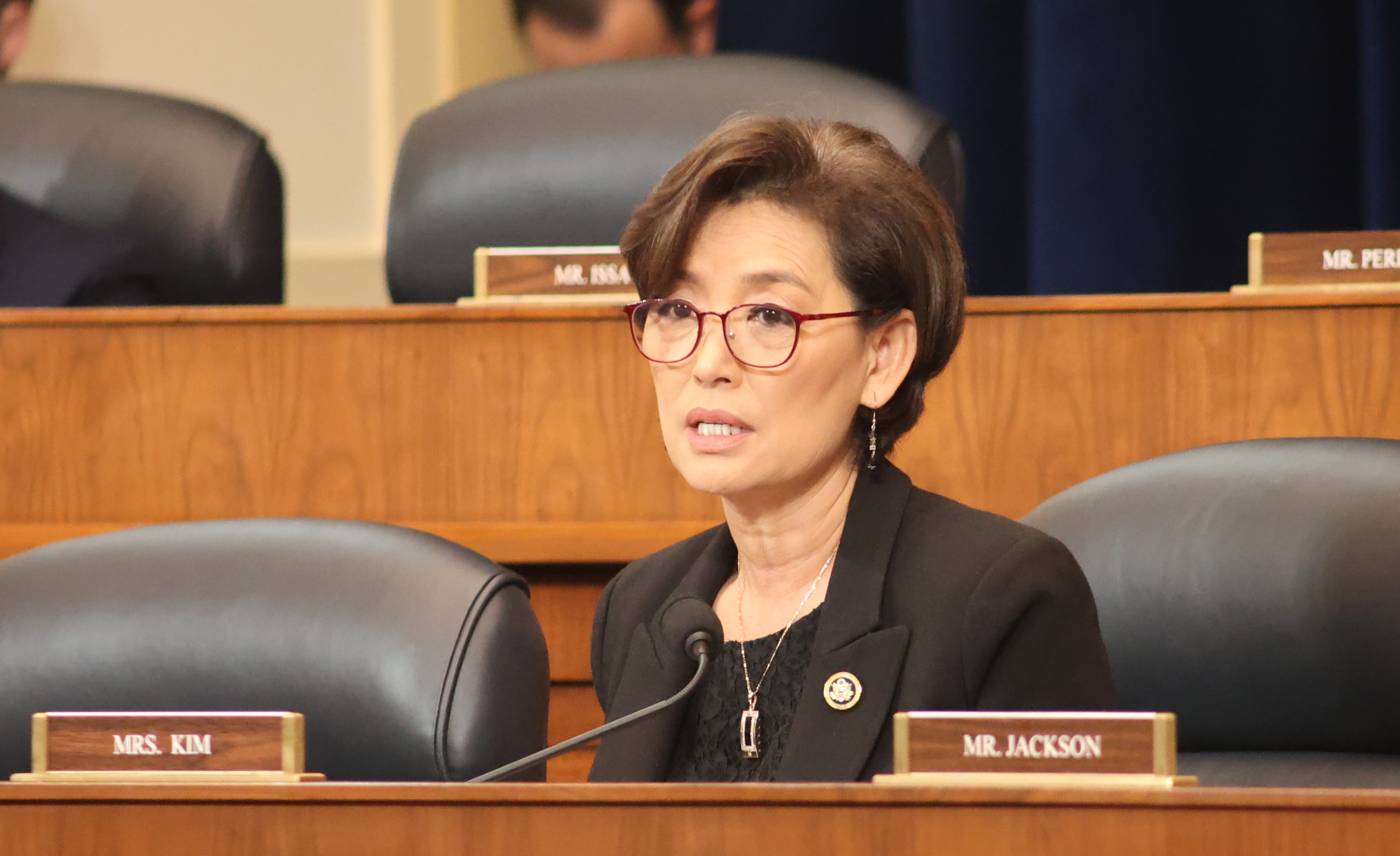
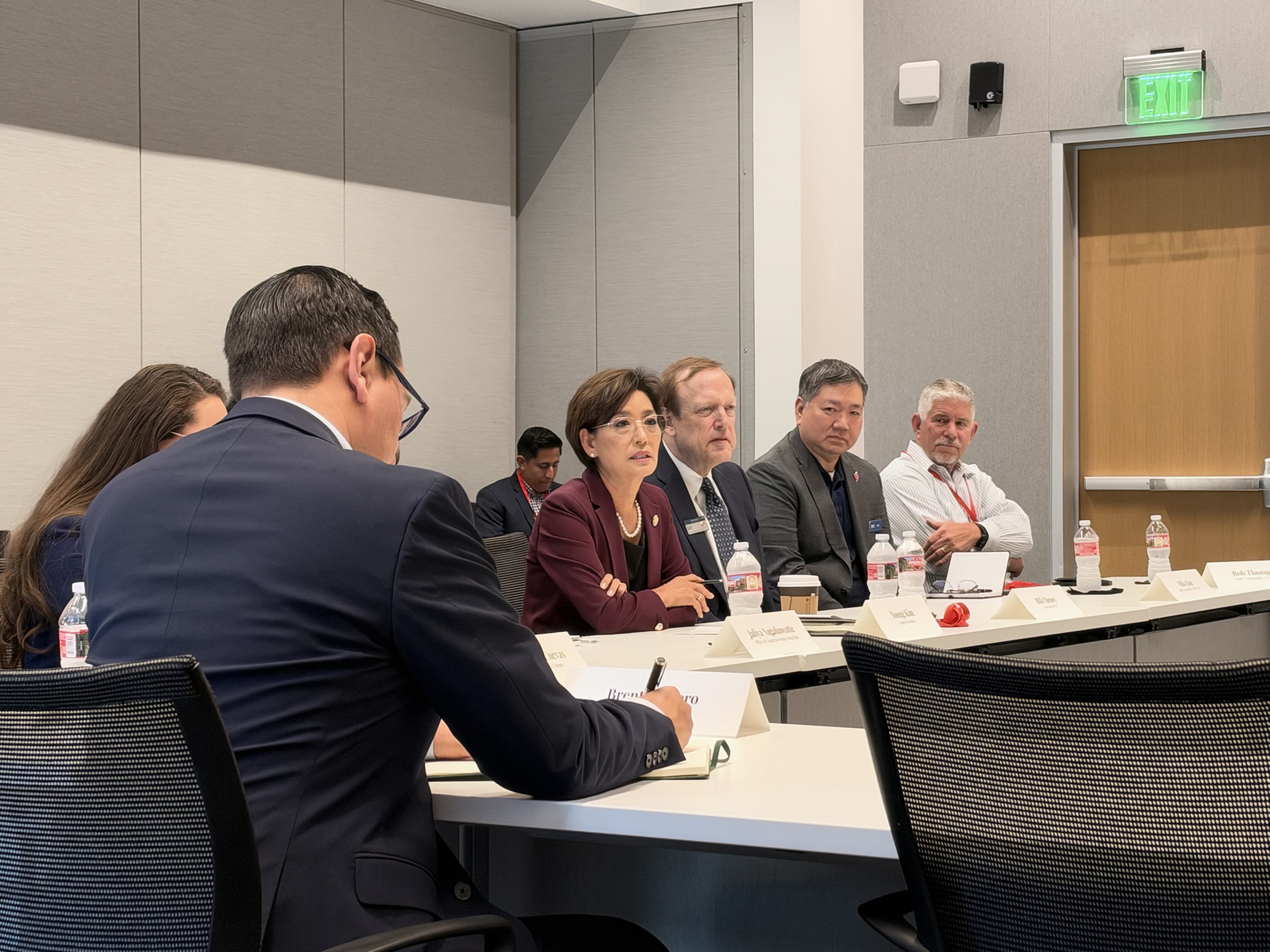
Rep. Young Kim (R-Calif.) is looking to use her position as chair of the House Foreign Affairs East Asia and the Pacific subcommittee to help secure supplies of critical minerals — both domestically and with U.S. allies.
The export restrictions on rare earths imposed in April by Beijing — which controls the vast majority of the world’s supply of critical minerals — were a “gut punch for U.S. businesses and a wake-up call for Washington,” Kim said in an interview a day after visiting MP Materials’ Mountain Pass mine, the only operating rare earth mine in the United States.
Kim praised the Trump administration for its efforts to bolster the industry, especially signing a massive deal with MP Materials that included making the Defense Department the company’s largest shareholder. But the scope of the challenge requires bipartisan efforts in Congress, she said, as well as working with allies that the administration has at times shunned.
Last month, Kim and Rep. Ami Bera (D-Calif.), the subcommittee’s ranking member, introduced legislation to codify the Mineral Security Partnership, a multilateral initiative launched under the Biden administration aimed at boosting mineral supply chains outside China. Fourteen countries and the European Union are currently members of the MSP, which is now chaired by South Korea.
Kim, a moderate from a swing district targeted by Democrats, also pushed back on the Trump administration’s crackdown on the wind and solar industries, which she noted are key drivers of demand for critical minerals. And she discussed one of the biggest items on the Foreign Affairs Committee’s to-do list this fall: reauthorizing the U.S. Development Finance Corp.
This interview has been edited for length and clarity.
How was your visit to Mountain Pass.
It was my first visit to the MP Materials mine site. It has not been on anyone’s radar the way that it is now until after the April 2 Liberation Day, when President Trump imposed tariffs on a lot of countries around the world. [With] China retaliating with restrictions on exports of their critical minerals, we saw the vulnerability.
I led that site visit to see firsthand how these investments will revolutionize our production capability, from mining to processing to battery production — upstream, midstream, downstream, right here in the United States. It was really exciting.
What’s your greatest worry about our critical minerals vulnerabilities? What keeps you up at night?
If we don’t have enough capability to provide the critical minerals that go into meeting our defense industries, then obviously we’ll be falling far behind our adversaries. And China dominates the processing of about 92 percent of rare earth elements, 70 percent of cobalt, 77 percent of lithium processing. This kind of dominance has threatened the U.S. economic and national security.
What keeps me up at night is, do we have the capacity to meet the demand for our defense industry and also meet the commercial industry? For the defense industry, gallium is the number one critical mineral they say they need. And then followed by graphite and neodymium are the top concerns.
So what can Congress do about it?
My colleague Ami Bera and I, we’re really excited because we are working together on this. We recognize that with domestic production alone, we just cannot meet the critical needs of our economy and the economies of our friends and allies.
We need to work with partners to build that new critical minerals supply chain outside of China. That’s why we introduced a bill called the Minerals Security Partnership Authorization Act.
This is bipartisan work. It was actually the Biden administration that helped start up the Minerals Security Partnership in 2022. The goal of that MSP is to reduce our reliance on China while upholding high production standards.
The Trump administration has cracked down on the electric vehicle, wind and solar industries, which are some of the major demand drivers for critical minerals and rare earths. This seems like a contradiction — how do you square the U.S. undermining the demand drivers for these minerals even as it pushes for more mining?
I know the administration is placing a lot of emphasis on nuclear but until we get to that level, which is not going to happen overnight, we’re going to need all-of-the-above energy policies. Just south of my district, there is the opportunity for using geothermal, wind, solar — we need to employ all of those. We cannot just switch overnight to nuclear alone.
Defense companies, I think they see a clear role for the government to play in the critical minerals, rare earth sectors. We can use the all-of-the-above approach from that sector. We need critical minerals, which are the foundation for growing clean energy and meeting all of the demands in the energy sector.
This administration is putting a lot of focus on making America energy independent, but to be able to do that, we have to use everything that is available at our disposal.
The Foreign Affairs Committee is facing an October deadline to reauthorize the Development Finance Corp. Can you give us an update on where things stand with the reauthorization? And are you looking at ways to reform the DFC to provide more support to critical minerals projects?
The DFC obviously provides a wonderful tool for our American businesses. We want to use our diplomatic toolbox to be able to encourage American investments overseas, and going not just to emerging or low-to-mid income countries.
One of the reauthorization proposals would include expanding the countries that would be able to participate in DFC. We are talking about that country expansion, so the so-called high-income countries would be able to take advantage of tools like DFC. And that conversation is going well right now.
We have the deadline to reauthorize it before it expires soon — by the early part of October, we need to do this. At the same time, there is a State [Department] authorization that we’re also looking at from the overall Foreign Affairs committee. At this point, I don’t know whether we will be able to do this as a standalone DFC reauthorization, or make it part of the State Department reauthorization.
But the bottom line is, we need to reauthorize the DFC as soon as possible because that is one of the important tool kits for us to encourage investment in the critical minerals sector, the LNG sector, you name it.