Spectrum News: Lawmakers back U.S. push for critical minerals
LOS ANGELES — As tensions rise between Washington and Beijing over access to critical minerals, scientists and lawmakers in California are working to loosen China’s grip on the global supply chain.
Researchers at the University of Southern California are using advanced data analytics to locate new deposits of minerals essential to modern technology — from smartphones and electric cars to fighter jets.
USC computer scientist Craig Knoblock leads a team that built a digital database of mineral deposits around the world. Partnering with the U.S. Geological Survey, the project combines decades of old mining reports and geological surveys to help pinpoint untapped resources.
“We often know roughly where to look,” Knoblock explained, “but knowing exactly where to look is a big deal.”
The U.S. government currently classifies 50 minerals as “critical” to national security and the economy. Seventeen are considered especially rare, and the vast majority are imported from abroad — primarily from China, which dominates roughly 90% of global rare earth mining and processing.
That dependence has raised bipartisan concern on Capitol Hill.
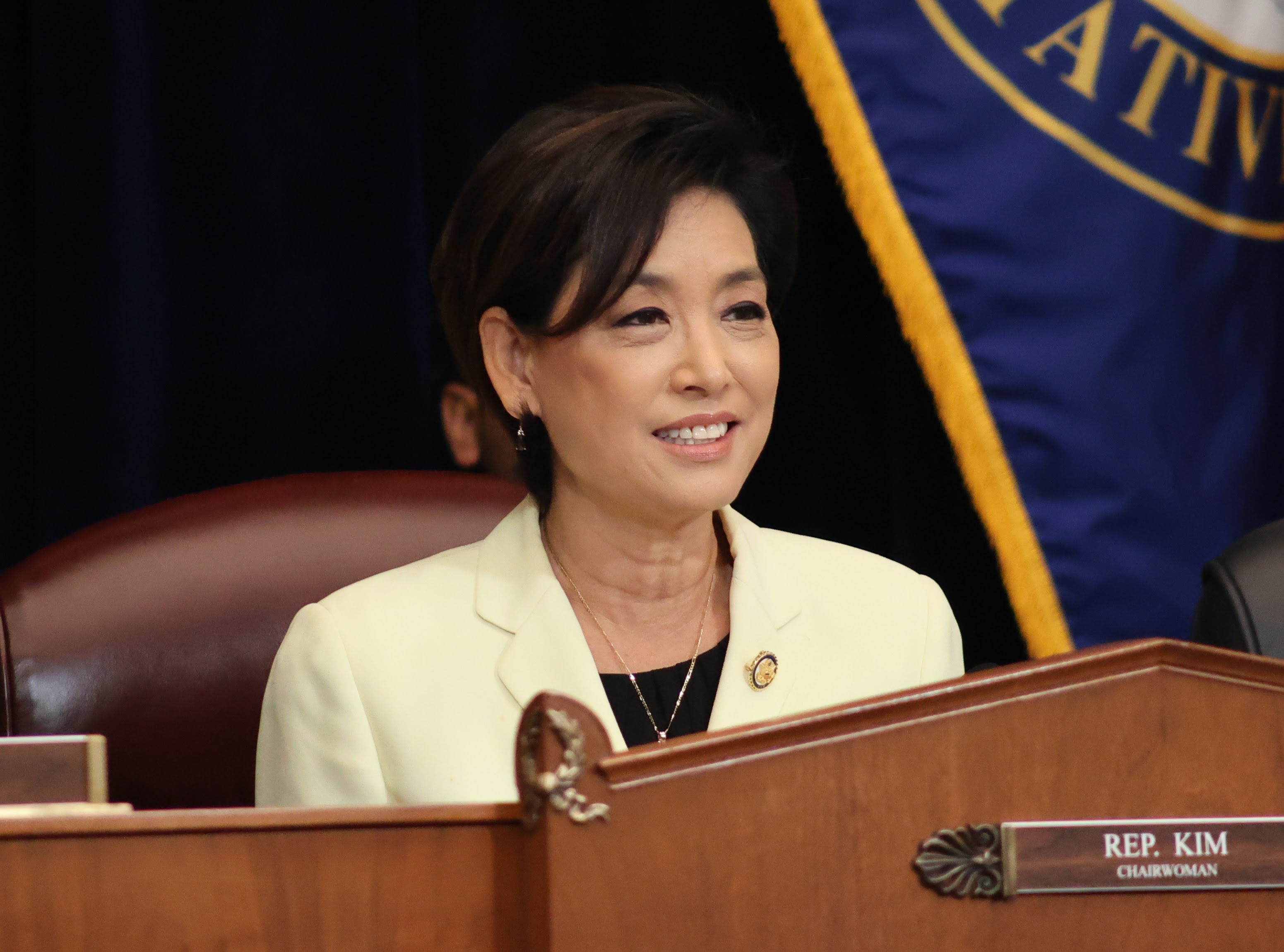
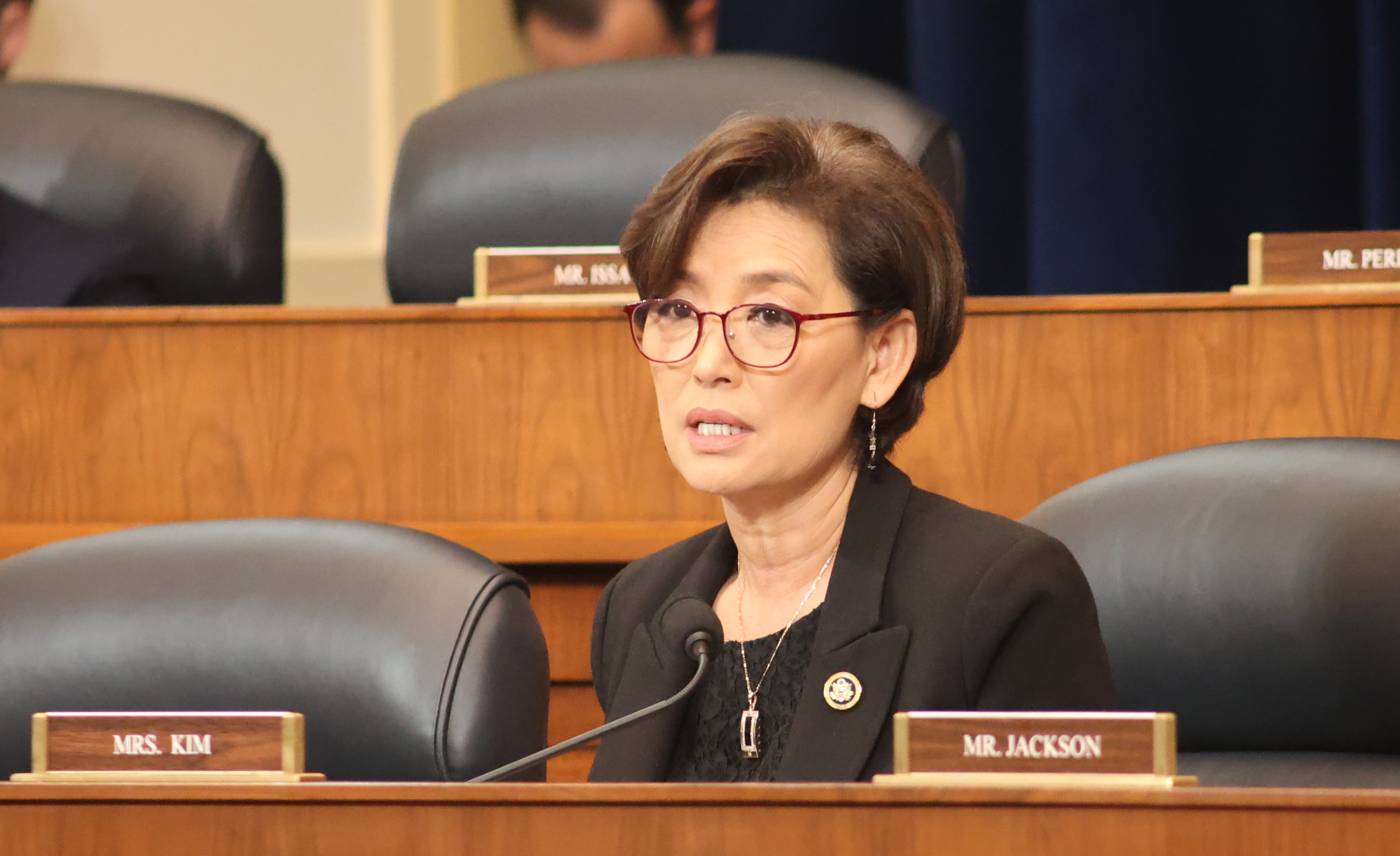
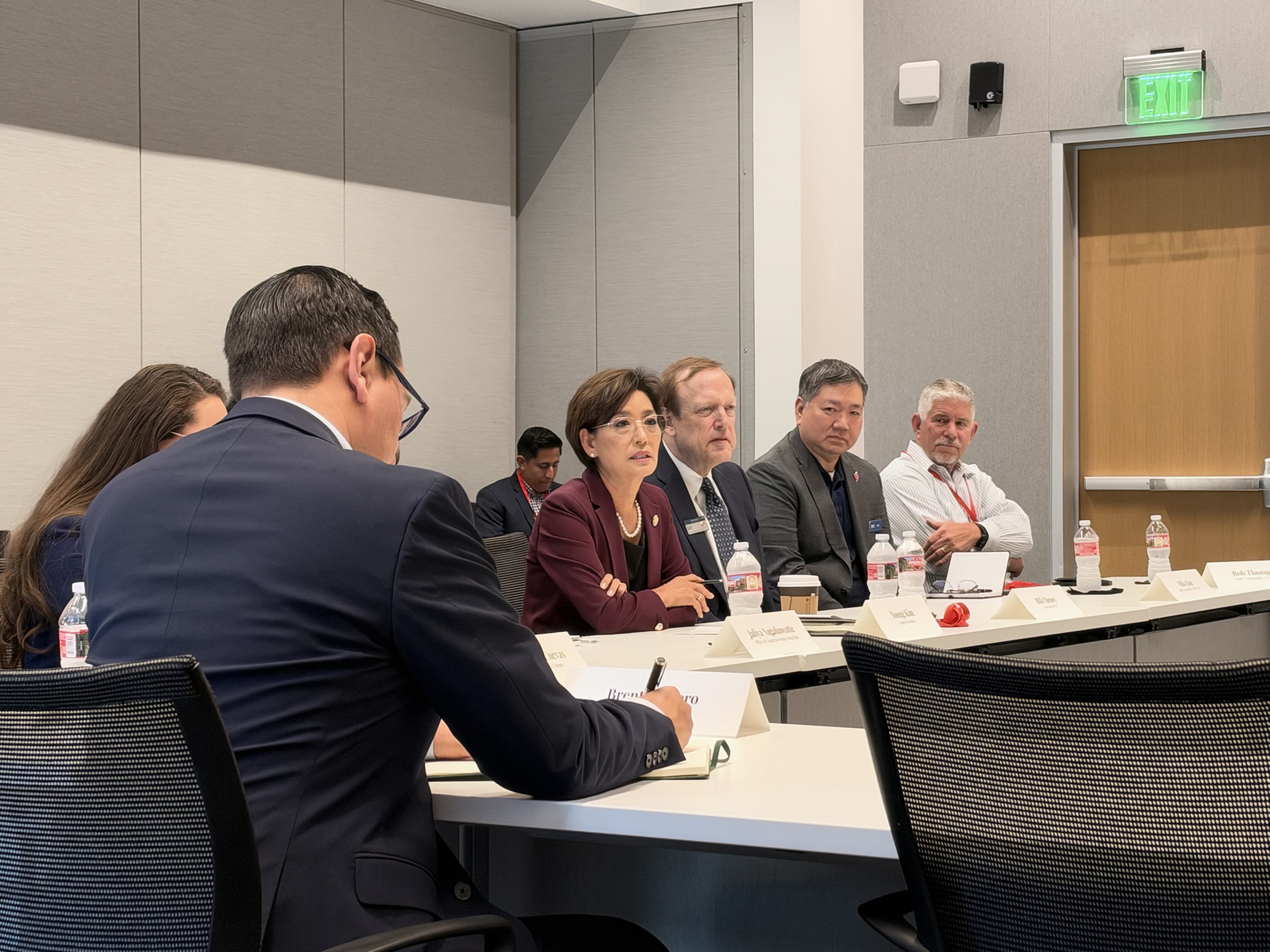
Representative Young Kim, a Republican from Orange County, recently visited Mountain Pass, the only active rare earth mine in the United States, in California’s Mojave Desert.
The Pentagon has poured billions into expanding its output to reduce reliance on foreign suppliers.
“We have the capacity to process these minerals right here in the U.S.,” Kim said. “We need to increase domestic production — it’s a national security issue.”
Kim is co-sponsoring legislation to boost U.S. mining operations and support new technologies that make mineral extraction cleaner and more efficient.
Knoblock hopes his team’s mapping technology can help identify promising sites — not just in remote deserts, but potentially in areas that have been overlooked for decades.