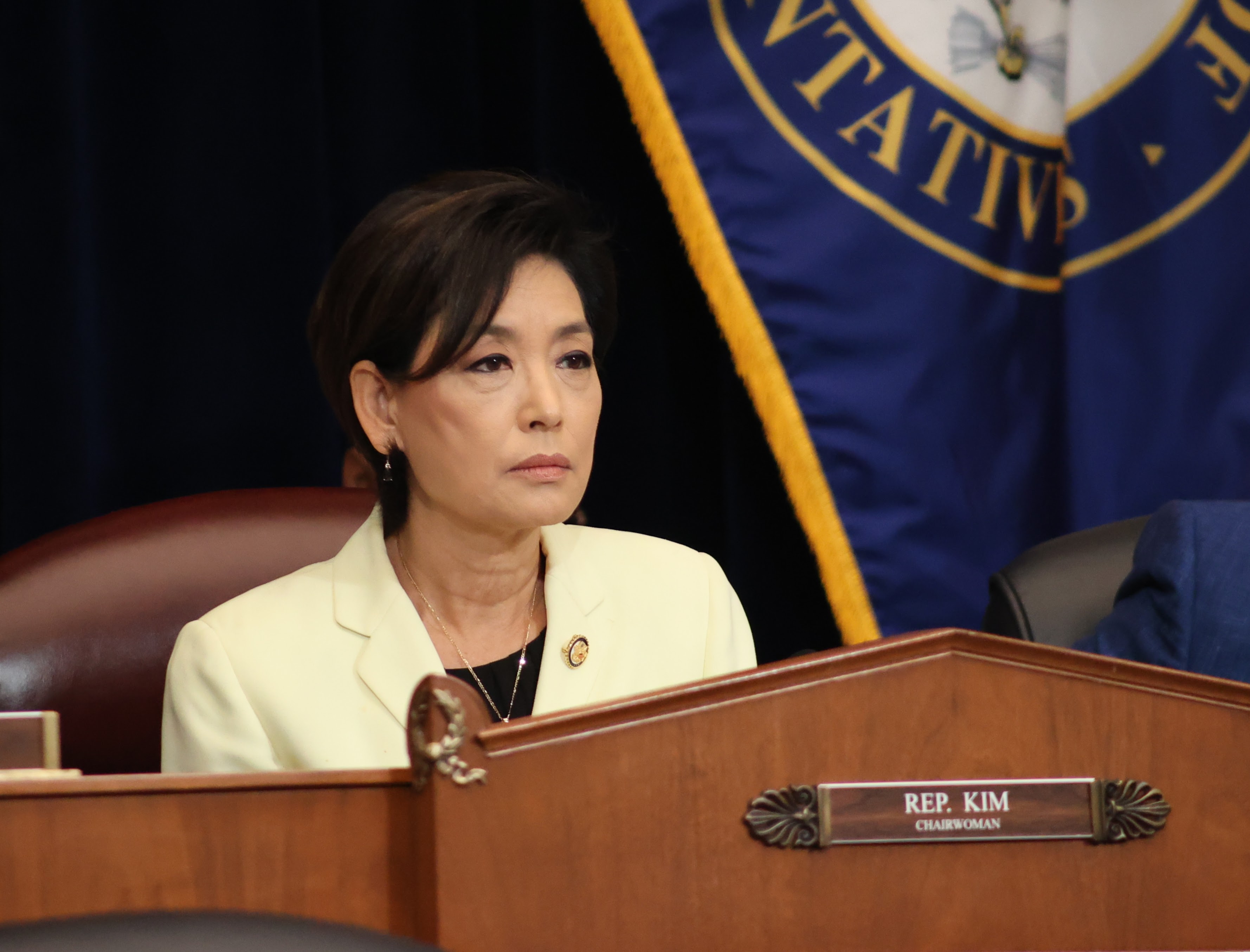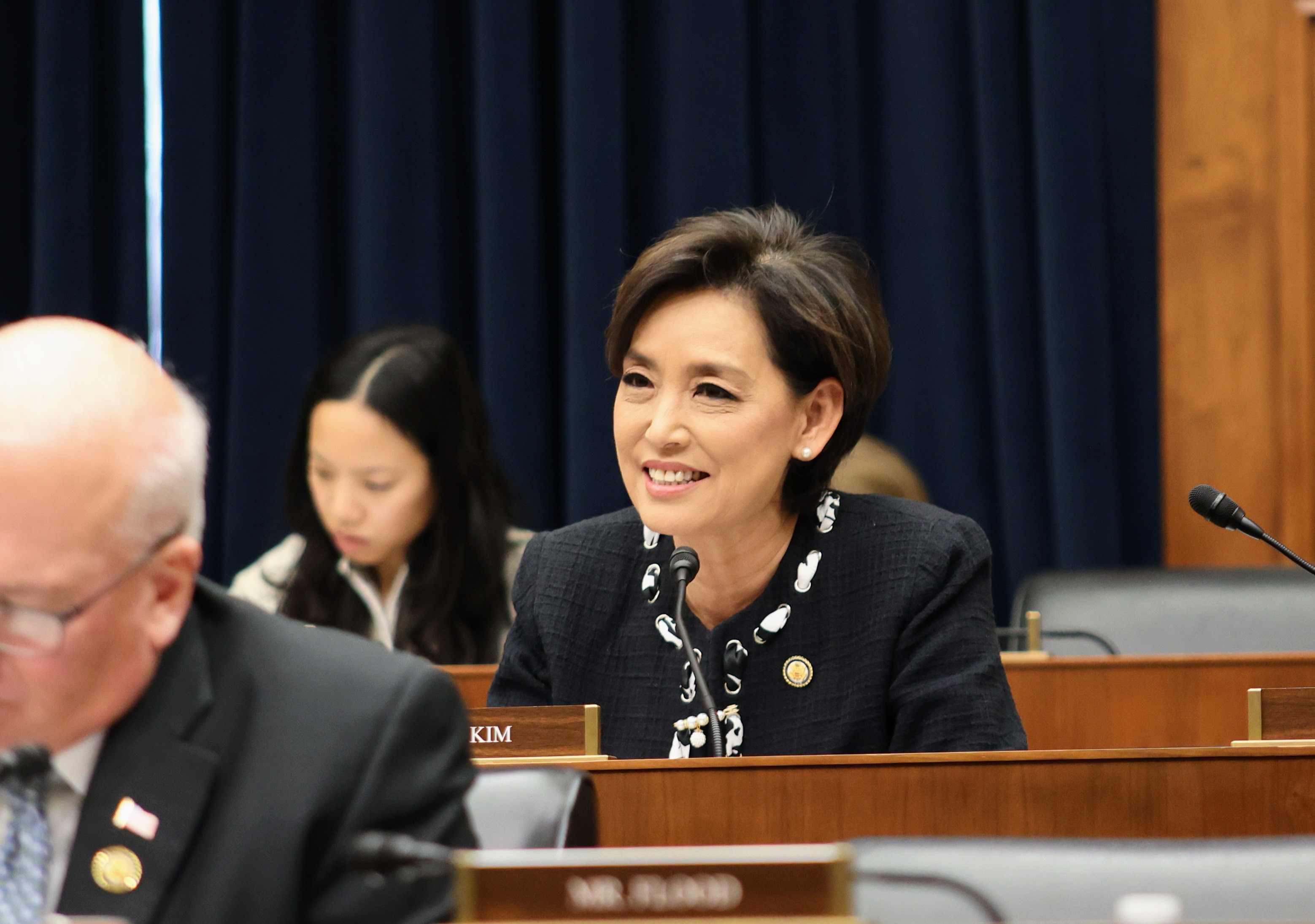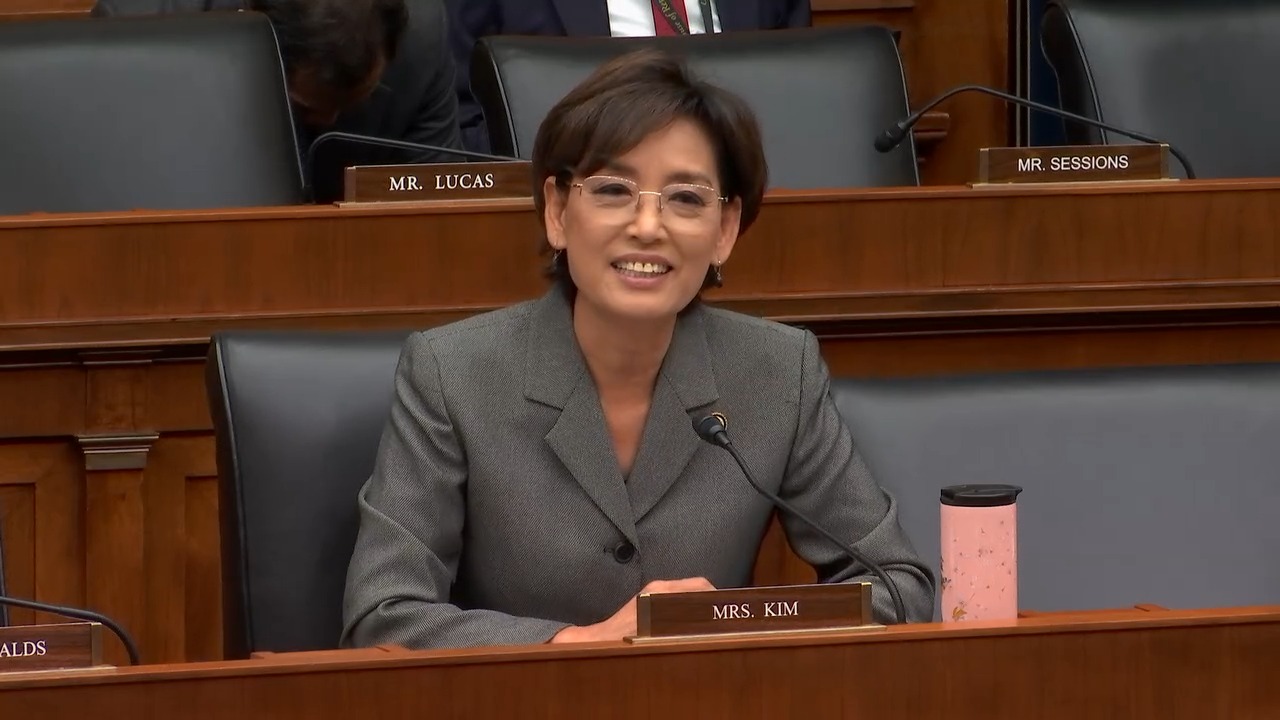

Washington, D.C. – Today, Congresswoman Young Kim (CA-40) chaired a joint subcomittee hearing “Helping American Business Win Broad: Strengthening U.S. Commercial Diplomacy.”
As Chair of the East Asia and Pacific Subcommittee, she argues that commercial diplomacy is foreign policy and calls for bold structural reforms to better compete with China.
Watch remarks HERE or read below.
“Good morning and welcome to this joint East Asia and Pacific and Middle East and North Africa Subcommittee hearing titled “Helping American Businesses Win Abroad: Strengthening U.S. Commercial Diplomacy.””
Commercial diplomacy is no longer a supporting function of foreign policy—it is foreign policy. The Trump Administration has made clear that economic security is national security, and that how we compete economically abroad directly shapes our strategic position in the world. This is the right time to take a hard look at whether our current approach to commercial diplomacy is fit for purpose.
The United States possesses strong tools to support American businesses overseas, but those tools are not always organized or deployed to maximize impact. Our current model is split across multiple agencies and unevenly implemented at our embassies and posts abroad. This can create gaps in execution, unclear lines of responsibility, and missed opportunities. At the same time, global competition is intensifying, and the demands on our commercial diplomacy system are only growing.
We see this challenge most clearly in our competition with China, which deploys a highly coordinated, state-backed approach to supporting its companies abroad. The challenge for the United States is not merely recognizing this reality, but ensuring our own system is structured to compete effectively.
Incremental changes will not be enough. This moment calls for more fundamental—and potentially disruptive—thinking about how we organize and execute commercial diplomacy. We should be willing to question whether a structure largely unchanged for decades remains right for today’s challenges.
That includes examining whether consolidating commercial diplomacy functions—such as by moving the Foreign Commercial Service into the Department of State—could improve coordination and deliver better results. It also means considering whether the State Department itself needs to build a stronger, more specialized commercial diplomacy capability, potentially through reform of the economic officer track or the creation of a dedicated commercial diplomacy career track.
Ultimately, commercial diplomacy succeeds or fails at post. We must ensure we have the right people, with the right expertise, in the right places, and that they are properly empowered and incentivized to deliver results for American businesses. Structure, workforce, and incentives all matter if we are serious about helping U.S. companies win abroad.
Congress has taken important steps to elevate commercial diplomacy, including through prior reforms focused on the role of Chiefs of Mission. Yet we also have a responsibility to assess whether deeper structural changes are needed to align our resources, authorities, and personnel systems with our strategic objectives.
Today’s witnesses bring valuable firsthand experience from the field. We look forward to hearing what is working, where the system is falling short, and—most importantly—what changes would have the greatest impact. We are particularly interested in ideas that go beyond incremental fixes and address the underlying structure of the system itself.
If we want American businesses to win abroad, we need a new commercial diplomacy model that is coordinated and competitive. That may require us to rethink long-standing structures and consider bold new approaches. I look forward to a candid discussion on how we can get this right.”