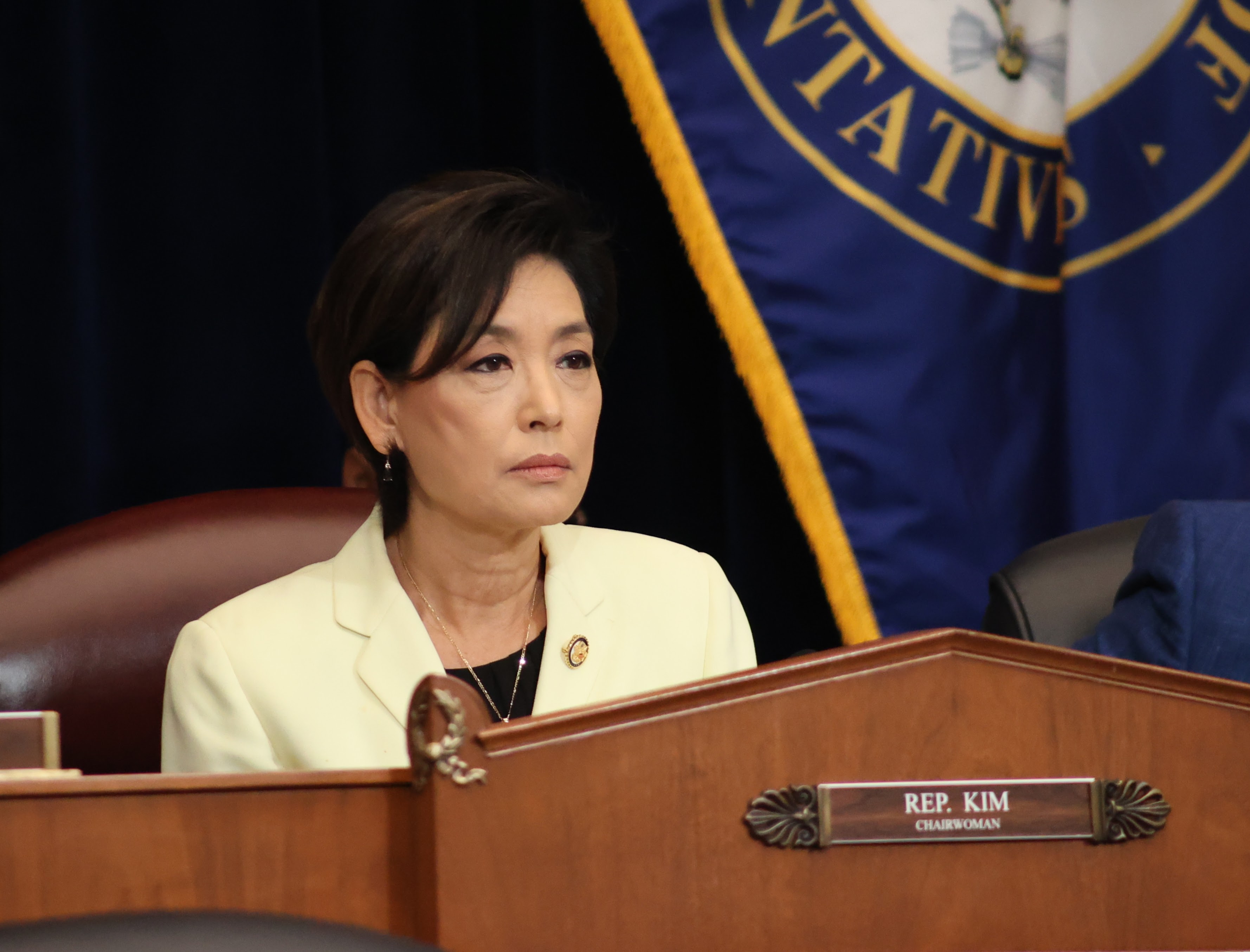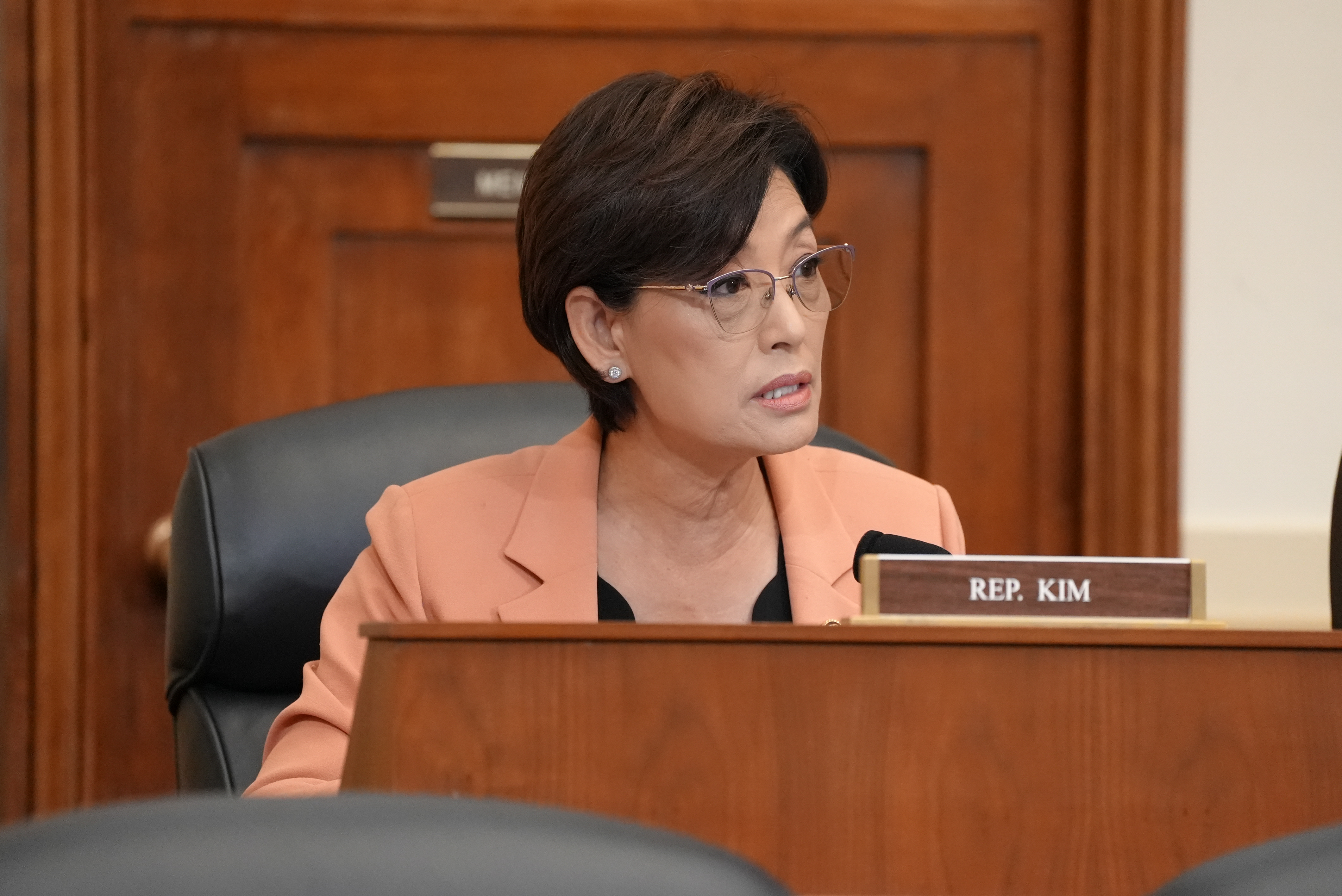
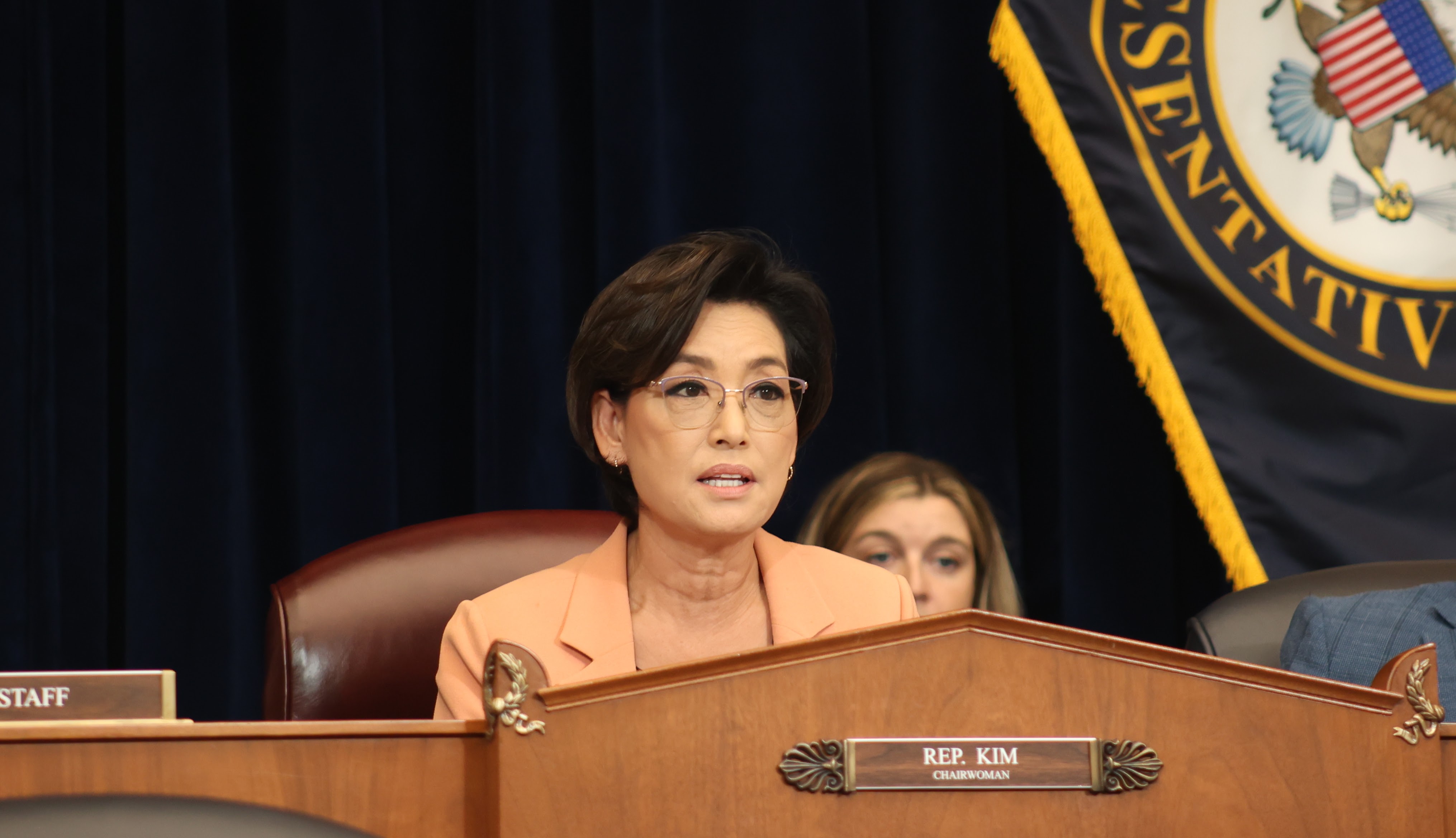
WASHINGTON, D.C. – Today, House Foreign Affairs East Asia and Pacific Subcommittee Chairwoman Young Kim (CA-40) led a hearing titled “Charting a New Course: Countering China’s Dominance in Global Shipbuilding.”
China now accounts for roughly 53 percent of global shipbuilding output, while the United States produces less than one-tenth of one percent. This imbalance costs American workers economic opportunity and leaves the United States increasingly dependent on its primary geopolitical adversary for the ships and supply chains that power global commerce.
Chairwoman Kim highlighted her FLEETS Now Act, legislation to counter China’s dominance in global shipbuilding by strengthening U.S. shipbuilding capacity, expanding the pipeline of skilled American shipbuilders, aligning federal agencies behind a unified strategy, and deepening partnerships with allies to restore American maritime strength.
Read her opening remarks BELOW and watch HERE.
Good afternoon, and welcome to today’s hearing, “Charting a New Course: Countering China’s Dominance in Global Shipbuilding.”
Shipbuilding lies at the center of our national security, our economic sovereignty, and the future of free commerce.
For decades, Washington policymakers looked the other way while the Chinese Communist Party executed a highly coordinated, predatory strategy. Their goal was simple: corner the global maritime market.
Today, the People’s Republic of China controls over 50 percent of global commercial shipbuilding capacity. Meanwhile, the United States accounts for less than one-tenth of one percent. Our domestic shipyards are backlogged, understaffed, and structurally fragile.
Every dollar a Western company spends to build a commercial vessel in a Chinese shipyard directly subsidizes the People’s Liberation Army Navy. Furthermore, China’s commercial dominance allows them to hold global supply chains hostage. In a conflict over the Taiwan Strait, Beijing will not hesitate to weaponize its maritime infrastructure. Meanwhile, our own military logistics rely on an aging fleet of auxiliary and Sealift Command vessels.
This is not just an economic failure but also a serious national security vulnerability. By outsourcing our commercial shipbuilding to our primary geopolitical adversary, we have handed Beijing the keys to the global supply chain and the industrial engine driving the fastest naval buildup since World War II.
American ingenuity and domestic manufacturing must always be our guide. That is why I introduced H.R. 8615, the My FLEETS Now Act that has provisions to increase training for American shipbuilders. But we cannot wait to address the problem.
If we want to restore balance to the oceans, we need to look to our greatest advantage: our international allies and partners. Specifically, we must forge an aggressive shipbuilding alliance with the world’s other maritime heavyweights: South Korea and Japan.
By integrating our industrial capacities, we can create a counterweight that Beijing cannot match. This is about leveraging the commercial capacities of Seoul and Tokyo to secure our supply chains, free up American yards for high-end naval combatant production, and systematically decouple the free world from China’s maritime empire.
As the President’s Maritime Action Plan lays out, we must aggressively pursue allied foreign direct investment to revitalize our under used domestic shipyards, creating tax incentives for firms like HD Hyundai, Hanwha Ocean, and Imabari to buy, renovate, and operate shipyards on American soil.
The United States is blessed with an unparalleled network of alliances. If we link American innovation with the industrial muscle of South Korea and Japan, we can and will break Beijing’s maritime monopoly. We will rebuild our domestic shipyards, empower our global allies, and ensure that the free world continues to command the seas.