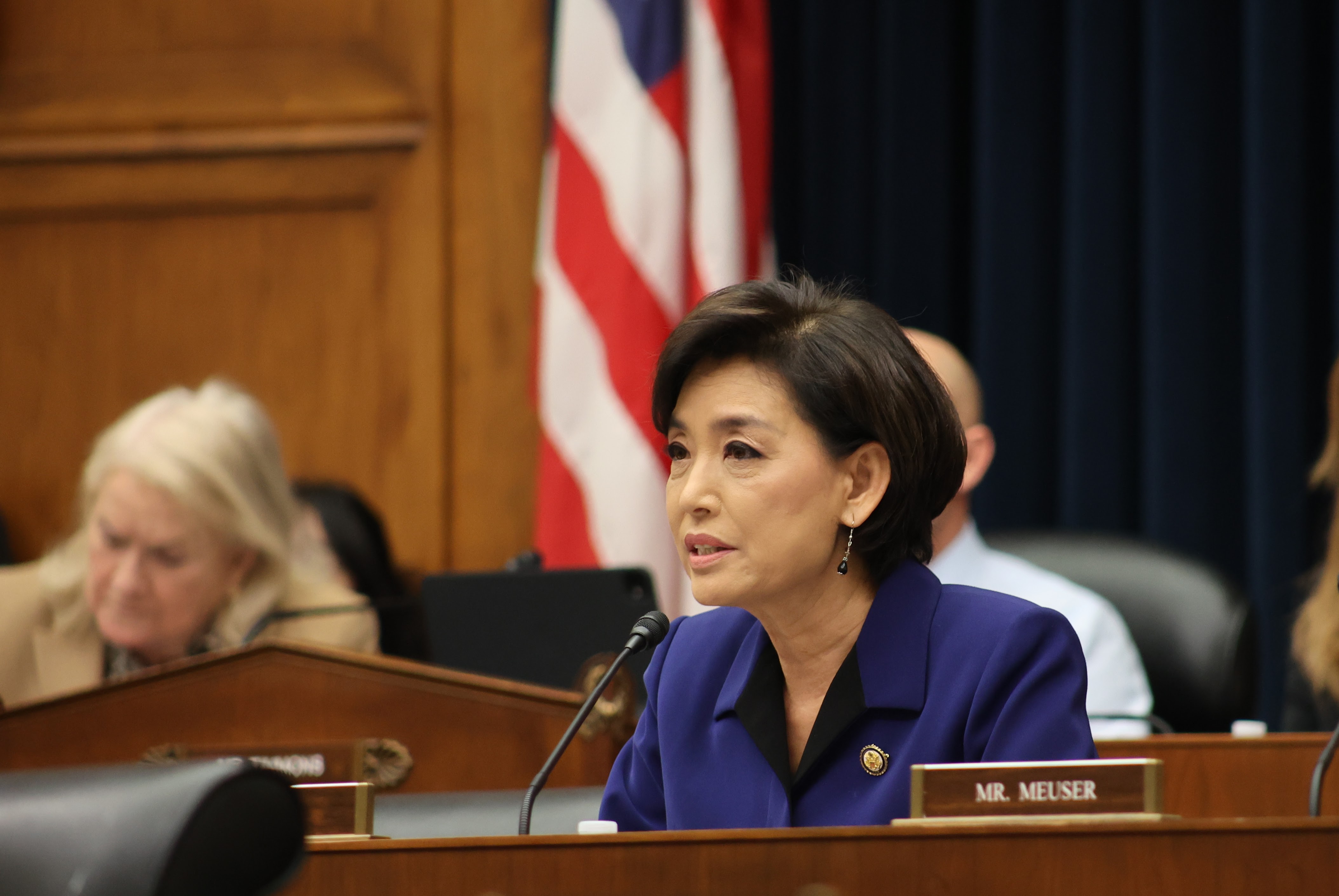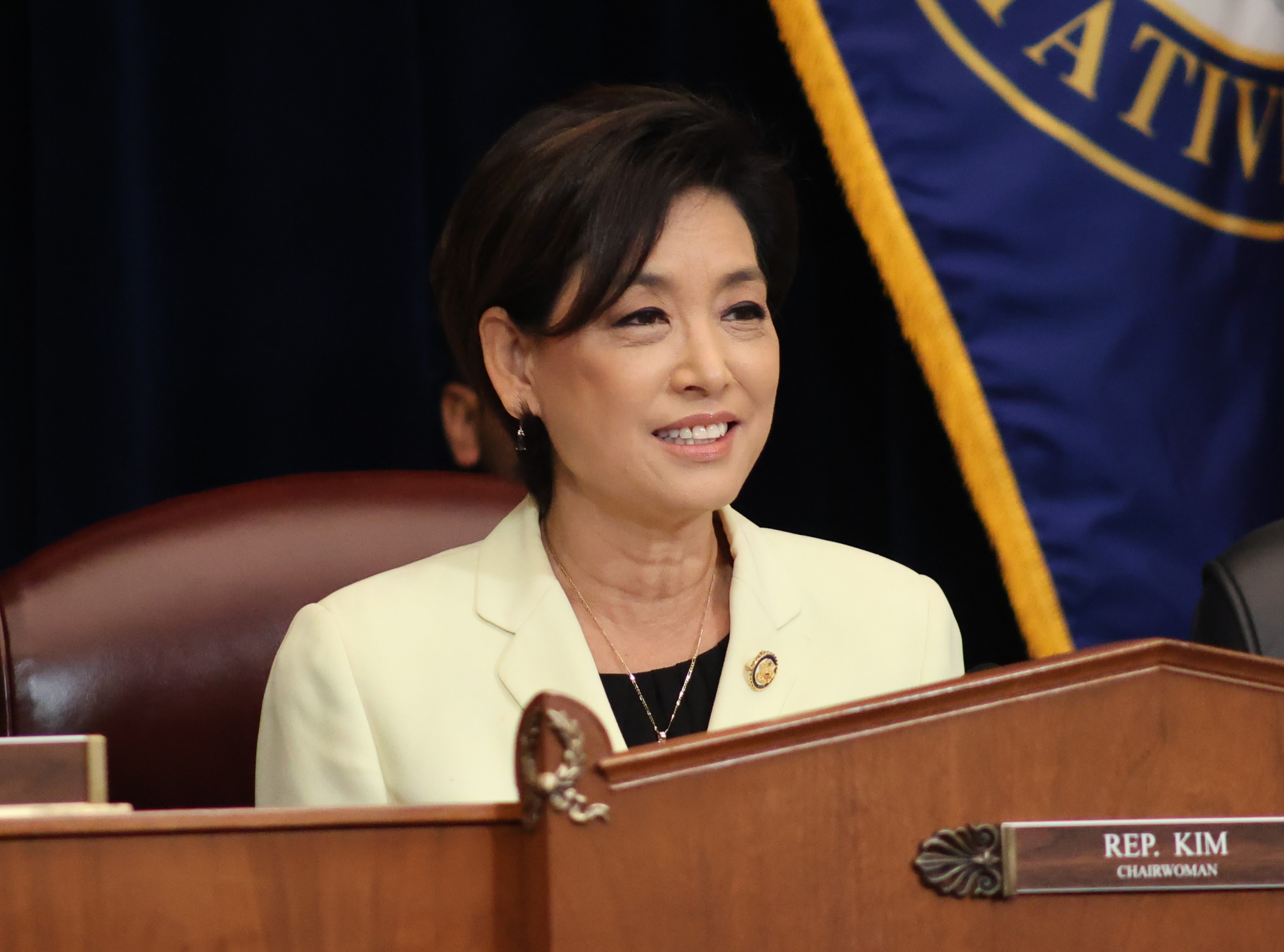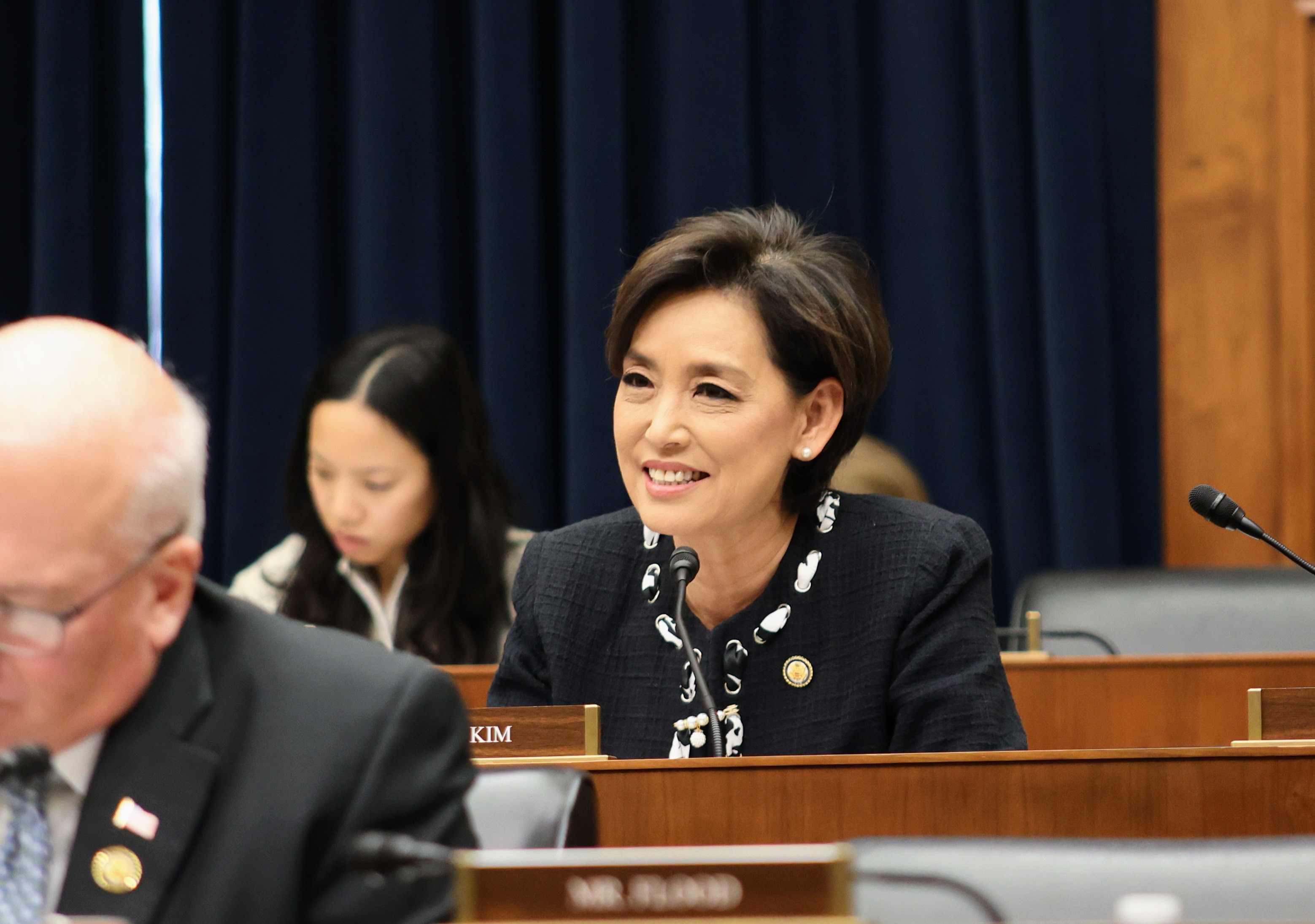
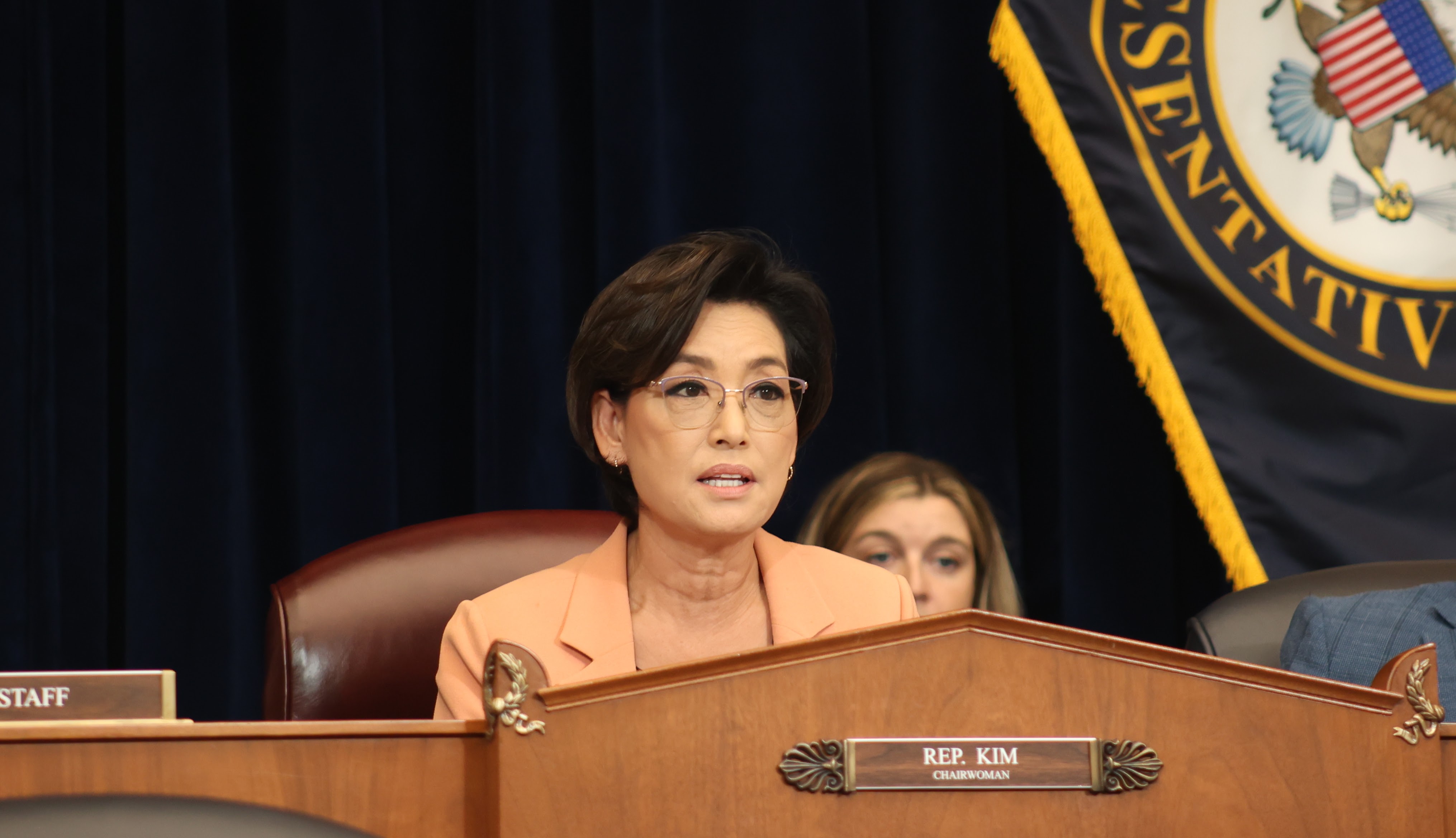
Washington, DC – Today, U.S. Representative Young Kim (CA-40) voted in support of the Fiscal Year 2026 National Defense Authorization Act (FY26 NDAA), which bolsters America’s national defense, stands with our servicemembers, and advances President Trump’s peace through strength strategy.
“As China, North Korea, Russia, and Iran deepen their Unholy Alliance, now is the time to uphold President Trump’s peace through strength agenda and restore accountability and innovation,” said Rep. Young Kim. “This legislation equips our military with next-generation tools to deter aggression, bolsters our domestic workforce, empowers law enforcement to combat terrorism and drug trafficking, rewards our dedicated servicemembers and their families, and strengthens cooperation with key allies like Israel, Australia, and our Indo-Pacific friends. I’m proud to have secured key provisions that reinforce America’s global leadership and keep our nation safe.”
Congresswoman Kim secured several provisions in the FY26 NDAA that enhance U.S. national security and deepen engagement in the Indo-Pacific, including:
- Taiwan Non-Discrimination Act (H.R. 910): Directs the U.S. governor at the IMF to advocate for Taiwan’s membership, participation in surveillance and technical assistance, and employment opportunities — reinforcing U.S. support for Taiwan amid CCP intimidation.
- ARMOR Act (H.R. 4233): Cuts red tape to accelerate AUKUS defense cooperation by expediting export reviews, technology sharing, and licensing so the U.S., Australia, and the U.K. can field deterrent capabilities faster.
- Korean American Divided Families National Registry Act (H.R. 1273): Establishes a national registry of Korean American families seeking reunification and improves State Department efforts to facilitate reunions with relatives in North Korea.
- DFC Modernization and Reauthorization Act Provisions: Updates and reauthorizes the DFC to advance U.S. national security interests in strategic sectors, including critical minerals and energy, promote private-sector led economic growth, and counter the Chinese Communist Party’s economic coercion and debt traps.