Originally published in Newsweek on October 24, 2025
On April 4, China imposed unprecedented export controls on seven of the world’s 17 rare earth elements, sending U.S. defense firms into a frenzy. If April’s export controls were a wakeup call to Washington, Beijing’s most recent announcement is a slap in the face.
China’s new controls require foreign countries to obtain licenses for products containing just 0.1 percent of Chinese-origin rare earths. Starting December 1, Beijing may deny licenses to any company with ties to a foreign military, including that of the United States. While this move may look like a sudden supply chain coup, it is actually a calculated, long-game strategy on the part of the People’s Republic of China (PRC).
Nearly three decades ago, former PRC leader Deng Xiaoping said, “The Middle East has oil, China has rare earths.” In the years since, Beijing has worked relentlessly to establish a global chokehold on rare earth elements, which are the building blocks of modern technology, automotive, and defense industries.
China has wielded its dominance of rare earth production as a geopolitical weapon many times before. These new export controls are not simply a retaliatory measure in the U.S.-China trade war. They represent an aggressive new phase in a decades-long strategy to coerce the world into accepting Beijing’s critical minerals dominance.
China controls about 70 percent of rare earth mining and 90 percent of separation and processing. The latest controls aim to tighten its grip on the supply chains that move rare earths from mine to market—and preempt other nations from establishing their own.
Rare earth elements are critical inputs for semiconductor manufacturing, electric vehicles and advanced defense platforms such as F-35 fighter jets and Tomahawk cruise missiles. Nearly every dimension of U.S.-China competition, from the AI race to military readiness, depends upon secure access to these materials. The U.S. cannot allow itself to be dependent on China for the technologies that power our lives, economy and our future.
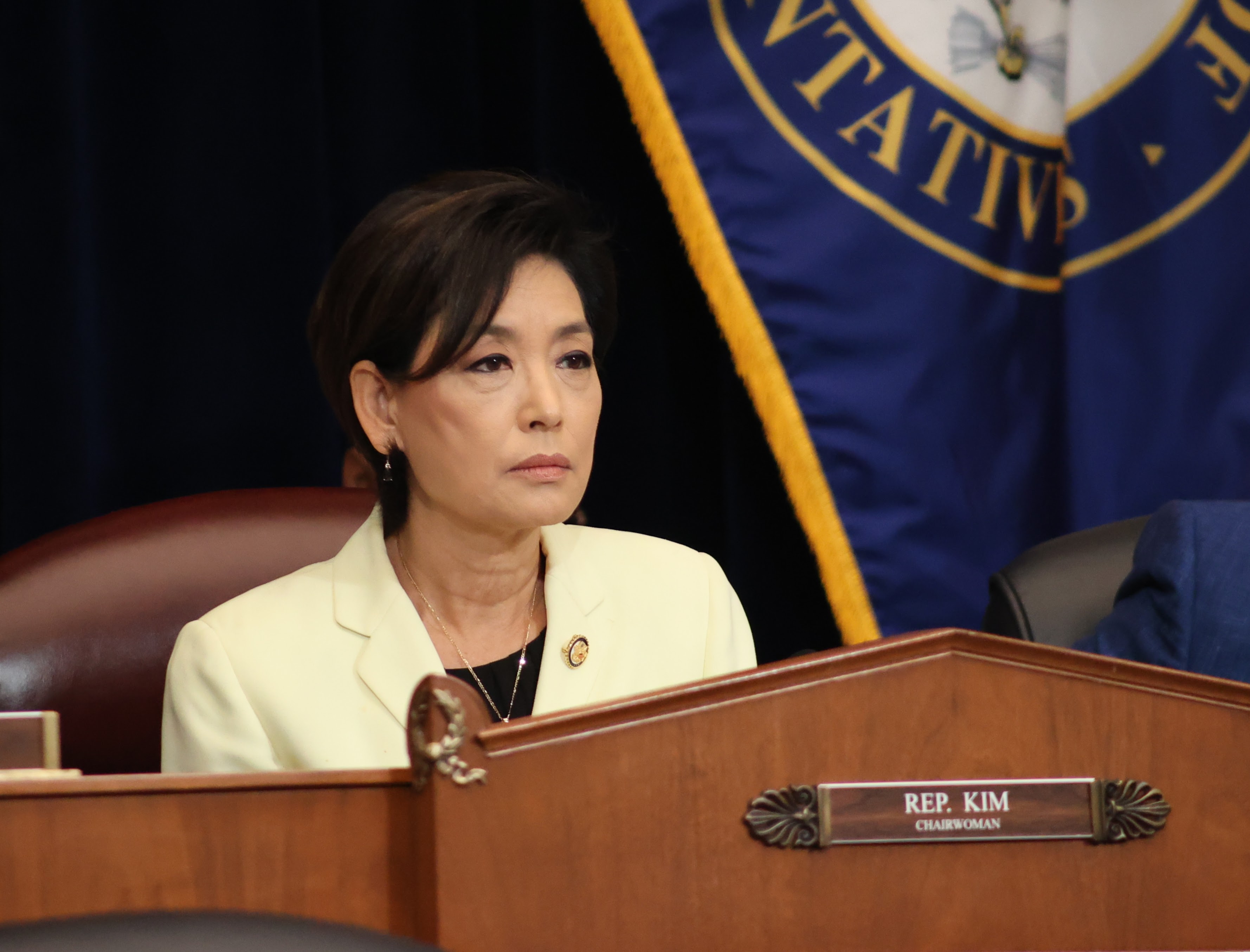
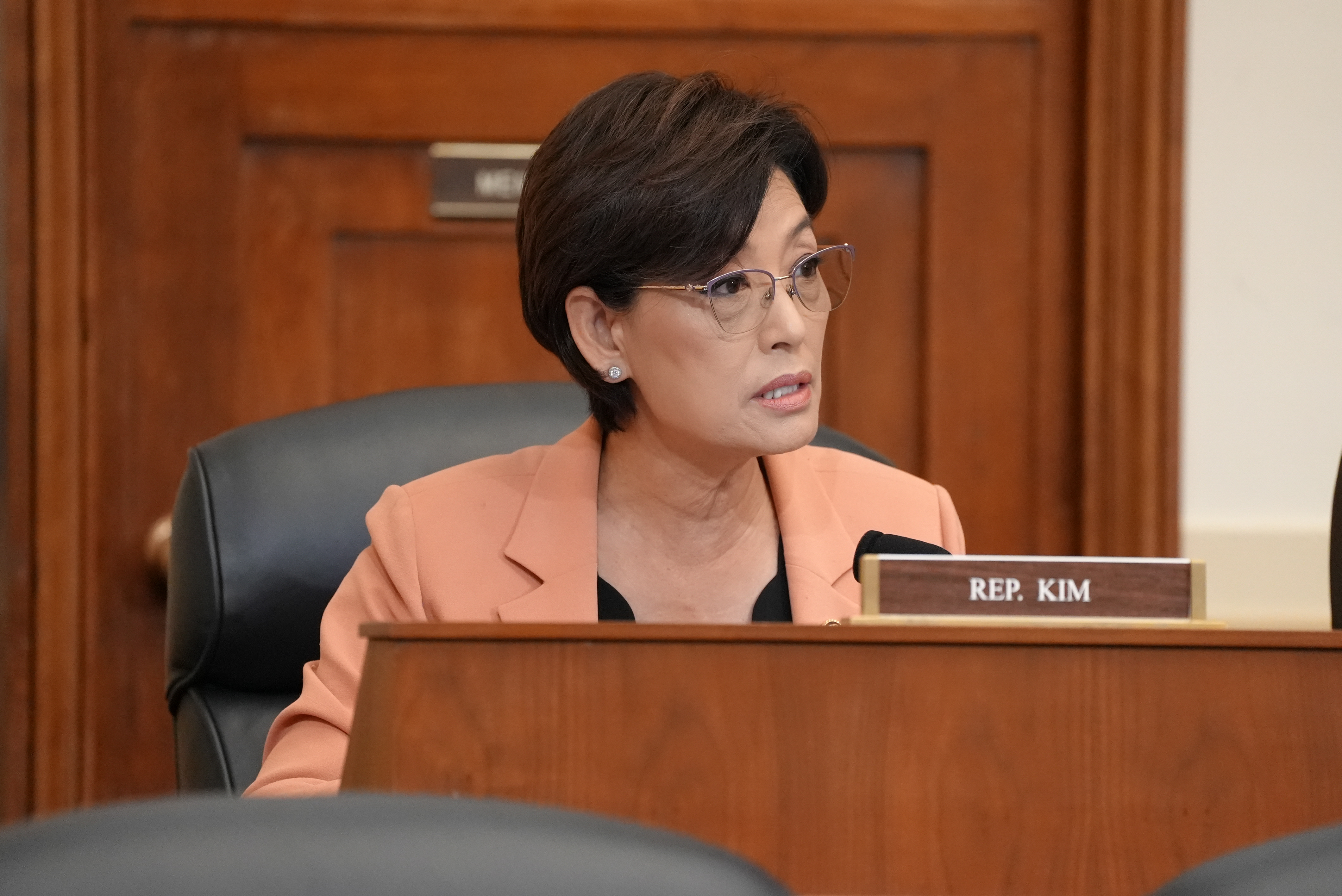
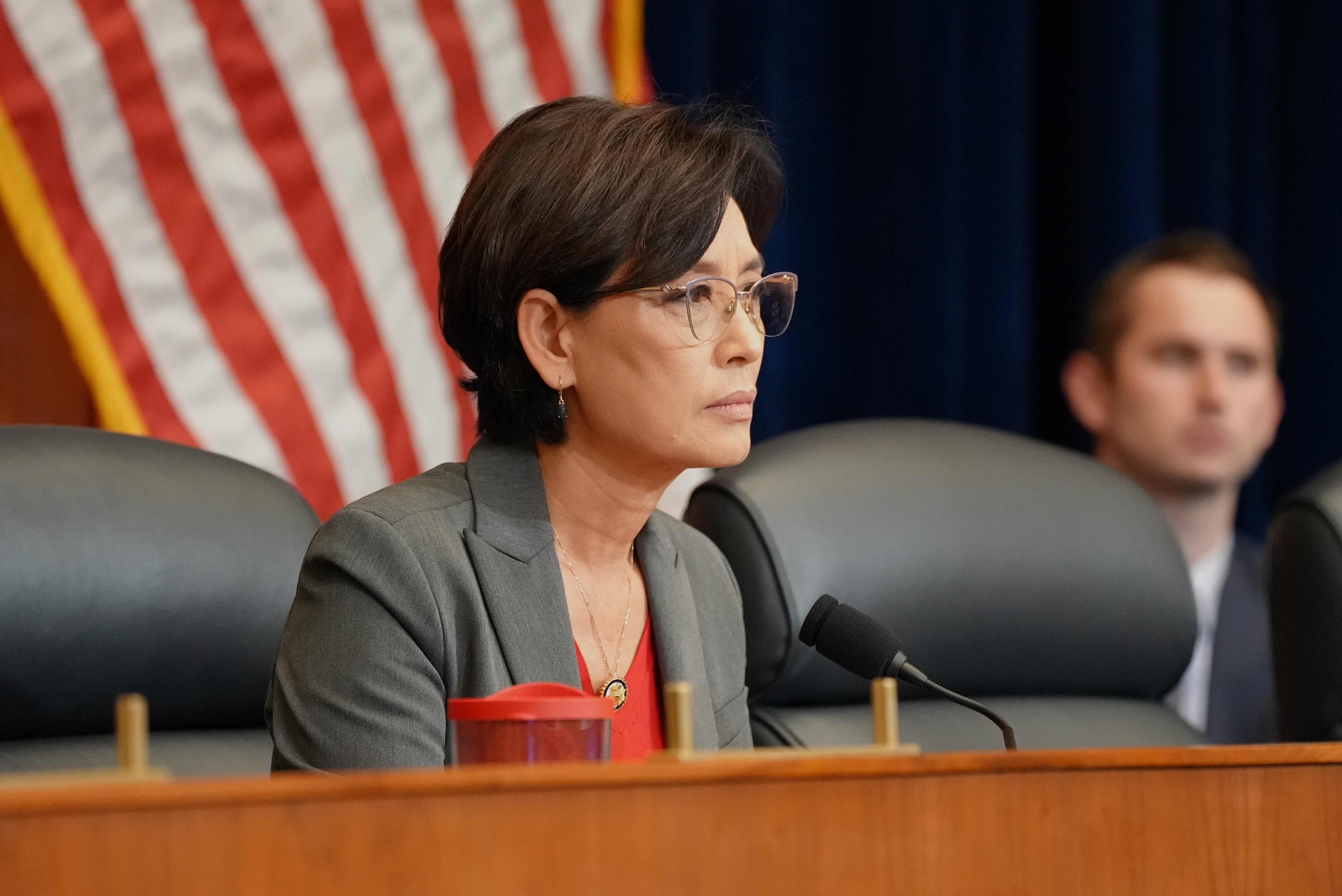
Now is the time to commit to a strategy for mineral security. This strategy should, first and foremost, expand the domestic mining and processing of rare earths and other critical minerals. In August, I was the first member of Congress to visit the MP Materials’ Mountain Pass Mine, the only operating rare earths mine in the country, following the Pentagon’s historic equity investment and offtake agreement. While this multibillion-dollar partnership is a bold and necessary step toward mineral independence, it will take time for MP’s mine-to-magnet operation to come into production.
If we hope to break China’s chokehold today, we need to acknowledge that domestic production alone is not enough. We must work with allies and partners around the globe to build resilient, diversified supply chains. As chair of the House Foreign Affairs Subcommittee on East Asia and Pacific, I have introduced bipartisan legislation to codify the Minerals Security Partnership (MSP) and remain committed to reauthorizing the U.S. Development Finance Corporation (DFC) to bring trusted partners and industry together to identify and invest in strategic critical minerals projects worldwide.
Rallying free nations in opposition to Beijing’s monopolistic practices is not just good economics, it is a strategic imperative. Australia and Canada are home to vast mineral resources and deep mining expertise. Japan and South Korea’s advanced manufacturing economies are acutely threatened by China’s weaponization of trade. In mineral-rich regions of Africa and South America, Chinese firms have unleashed 21st century resource colonialism, exploiting workers and polluting the environment. America has the opportunity to be the partner of choice in every one of these instances—setting the global benchmark for reliable, traceable and ethically governed rare earth supply chains.
I was encouraged to see President Donald Trump’s historic Critical Minerals Framework signed this week to accelerate joint projects with Australia and reinforce our vital AUKUS partnership. Innovative agreements like this are paramount to challenging China’s monopoly on critical minerals. While there has been skepticism about whether president Trump will meet Xi Jinping later this month, I believe his attendance at APEC in South Korea is absolutely critical and will send a strong message to allies in the region that America is open for business.
I am confident that America has the capacity to win the critical minerals race. Beijing may have a 30-year head start, but we have every opportunity to build an all-star team—from allies and partners in the Indo-Pacific to mine operators and aerospace engineers right here in the United States. April’s export controls may have jolted us. Now, we’re awake, and we’re ready to hit the track.